 Pāua Beauty Notes
Skincare Expiry Dates vs the Open-Jar Symbol
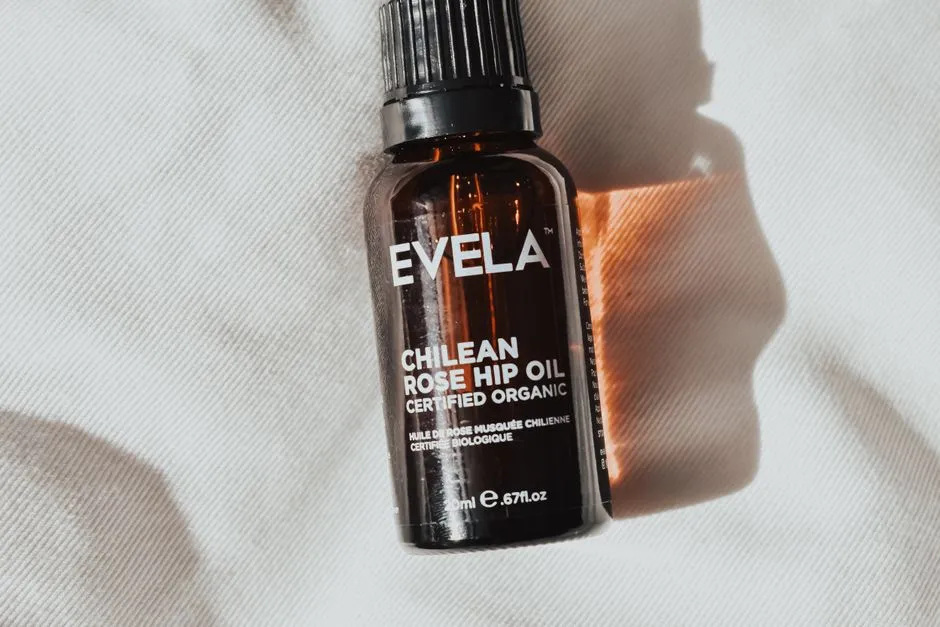
- How do skincare expiry dates and open-jar periods differ?
- What does the open-jar symbol mean?
- Why do imported labels look different?
- Can a manufacturer give both an expiry and an opening period?
- Is the batch code an expiry date?
- How should you record a new product?
- What does a worked calendar example show?
- Can careful storage restart or extend the period?
- Does a normal smell prove the product is usable?
- What if your skin reacts before the date?
- What should your final keep-or-query decision contain?
- Sources
How do skincare expiry dates and open-jar periods differ?
A printed skincare expiry date and an open-jar period answer different questions: one gives a calendar limit, while the other counts time after first opening. Record both and follow the product's directions; neither proves that a damaged, contaminated or poorly stored product is usable. Ask the manufacturer about unclear codes instead of guessing. Stop using a product that causes an unexpected reaction and seek healthcare advice. In New Zealand, breathing difficulty or unconsciousness requires an immediate 111 ambulance call.
A useful label check separates three things: the date printed by the business, the period allowed after opening, and the batch code used to identify the product's production history. They are not interchangeable.
This is a consumer record-keeping guide, not a product stability test or a way to diagnose a skin reaction. The examples below are desk-researched; no products were tested.
What does the open-jar symbol mean?
The open jar usually accompanies a period such as 6M or 12M. M refers to months: 6M describes six months after opening, not six months after purchase and not June.
Ireland's Health Products Regulatory Authority, in its cosmetic labelling guidance, explains the period after opening, or PAO, as the time after opening for which the product is considered fit for use. It distinguishes this from a minimum-durability date and identifies the open-jar graphic.
Read the symbol together with the directions and storage requirements. A labelled duration is not permission to ignore damage, suspected contamination, recalls or a reaction.
If you cannot tell whether a mark is an open jar, an hourglass or something else, ask the responsible business for an explanation of that exact package. Do not infer the answer from a similar-looking retailer image.
Why do imported labels look different?
The market matters. These are examples of regulatory explanations, not a claim that overseas rules automatically apply in New Zealand.
- Ireland, under the EU cosmetics framework: HPRA describes minimum-durability and after-opening information as distinct label elements. It also lists a batch number or reference ID separately.
- Great Britain: official guidance, updated 29 June 2026, distinguishes products with minimum durability of up to and including 30 months from those lasting longer. PAO requirements have exceptions where opening-related deterioration is not relevant, including certain single-use or non-opening products. This guidance covers England, Scotland and Wales, not every UK jurisdiction.
- United States: the FDA explains that ordinary cosmetics are not required to carry expiration dates, although manufacturers remain responsible for product safety and shelf-life assessment. Sunscreens and some other personal-care products are regulated differently, as drugs or both drugs and cosmetics.
A missing date therefore does not, on its own, establish that every product from every market is incorrectly labelled. It also does not establish unlimited shelf life.
For the rest of the package, our ingredient-list guide explains why market, directions and exact product identity belong together.
Can a manufacturer give both an expiry and an opening period?
Yes. A concrete example is the Antipodes UK FAQ, checked for this article on 8 September 2026. It describes skincare shelf life as three or four years from manufacture, with printed expiry information, and gives six months after opening. One displayed expiry-format example is E 06/2028.
Those are that brand's published statements, not a six-month rule for all skincare. The date example is not the date on a product we examined. The FAQ also covers different product categories, so use your actual item and contact the company about conflicting or unclear directions.
This example demonstrates why an opening period should not be mistaken for permission to extend a printed expiry. The example documents label wording, not personal suitability or product performance.
Keep the exact product name and formula or packaging version in your record. Instructions from another item in the same range are not a substitute.
Is the batch code an expiry date?
A batch code identifies production information. It may contain numbers or letters that resemble a date, but that appearance is not a reliable decoding method.
The Great Britain guidance lists batch identification separately from durability information. Let the manufacturer interpret its own code. Do not treat a third-party batch-code website as confirmation of authenticity, storage history or present condition.
A useful enquiry includes:
- the full product name and size;
- clear photographs of the container and carton;
- every date and code exactly as printed;
- the country and seller from which you purchased it;
- whether it was already opened or the seal appeared damaged;
- the question you need answered.
For example: “Is this code a batch reference or a date? What opening period and storage instructions apply to this item?” You need a product-specific answer, not a guessed manufacturing calendar.
How should you record a new product?
The FDA's consumer safety page suggests marking the opening date to help track cosmetic age.
Use a small label or a separate note without covering the original warnings, expiry or batch code. Make these six fields:
| Record field | What to enter |
|---|---|
| Product | Exact name, size and variant |
| Printed date | Copy the date and its accompanying wording |
| Opening period | Copy the symbol's number and unit |
| First opened | A clearly written calendar date |
| Storage instructions | The actual directions, not an assumed refrigerator rule |
| Uncertainty | Missing information or a question sent to the business |
Keep a photograph of the original package. A purchase receipt can help with an enquiry, but its date does not tell you when an already-opened product was first used.
If opening history is unknown, write “unknown.” Adding today's date would create a false record.
What does a worked calendar example show?
This is an original, fictional exercise, not a recommendation for a real product. Assume the invented product's directions specify six calendar months after first opening.
- First opened: 8 September 2026.
- Six-month point: 8 March 2027.
- Separate printed expiry: 31 January 2027.
The calendar calculation reaches March, but the printed expiry is earlier. Do not treat the opening-period calculation as extending January's limit. Follow the earlier restriction and seek clarification if the actual label says something different or is ambiguous.
The arithmetic is simply September to October, November, December, January, February and March: six month-to-month steps. It is not six uses, six purchases or six months added each time the lid closes.
Nothing in this example confirms safe handling or product condition. A record can tell you that a stated limit has been reached; it cannot certify that a product remains suitable before that limit.
Can careful storage restart or extend the period?
Do not restart the recorded period after a break in use, transfer to another container or a spell in the refrigerator. Follow the manufacturer's storage instructions rather than inventing a preservation method.
FDA's shelf-life guidance explains that heat, air, moisture, use and changes in preservation can affect products. Its microbiological safety guidance advises following storage directions, washing hands before application, keeping containers clean and not sharing cosmetics.
Do not add water or saliva to revive a product. FDA notes that this can introduce microorganisms and dilute preservatives. Do not add alcohol, essential oils or other ingredients as a home attempt to preserve it.
The purpose of routine care is correct use, not manufacturing a new formula or granting an extension. For other practical boundaries, see skin basics.
Does a normal smell prove the product is usable?
No. A smell or appearance check is not a contamination test, and it cannot establish the product's history.
FDA advises discarding cosmetics with changes in colour or smell. That is a reason to stop using a changed product, not a guarantee that an unchanged one is suitable. Do not apply a suspect product to your skin to test whether it is contaminated.
Separate a product question from a health question. The manufacturer can explain label codes and investigate a product complaint. A healthcare professional assesses an unexpected reaction. Neither question should be settled by continuing to use the product.
What if your skin reacts before the date?
Stop using it and contact a healthcare professional for advice, following FDA's consumer guidance. An unexpired label does not rule out a problem, and a reaction does not by itself identify the cause.
In New Zealand, government emergency guidance says to call 111 and ask for an ambulance for difficulty breathing, fainting or unconsciousness. Seek emergency help immediately; do not wait for the manufacturer to answer. Elsewhere, use the local emergency number.
Keep the package and relevant product details for the subsequent conversation, but never delay urgent care to assemble them. This guide does not recommend treating a reaction at home.
What should your final keep-or-query decision contain?
Write a short factual statement: “Opening date recorded; printed expiry copied; instructions checked,” or “Opening history unknown; manufacturer clarification needed.”
Do not use “looks fine” as a replacement for missing information. If the applicable period or expiry has passed, do not use the record to justify continuing.
Before buying a replacement, consider how many similar products are already open. Keeping a smaller number in rotation is our organisational suggestion, not a claim that a particular schedule makes cosmetics last longer.
The label-reading section keeps the focus on what the package actually establishes.
Sources
- HPRA: Cosmetic products labelling.
- GOV.UK: Cosmetics guidance for Great Britain.
- FDA: Shelf life and expiration dating.
- Antipodes UK: Product FAQs.
- FDA: Using cosmetics safely.
- FDA: Microbiological safety and cosmetics.
- New Zealand Government: 111 emergency service.
Frequently asked questions
Does 12M mean twelve months from the purchase date?
No. Beside an open-jar symbol, 12M refers to twelve months after first opening, not after purchase. Record when you actually opened the product and follow all printed expiry, storage and usage instructions. The period is not a guarantee against damage, contamination or an individual reaction.
Can I use skincare after expiry if it smells normal?
Do not treat normal smell as permission to exceed the product's expiry or opening period. Appearance cannot confirm storage history or microbiological condition. Do not test a suspect product on skin. Ask the manufacturer about unclear labelling, and stop use and seek healthcare advice if you experience an unexpected reaction.
Does keeping skincare in the fridge extend its opening period?
Do not assume that refrigeration extends or restarts the period. Follow the storage directions for the exact product rather than inventing a colder-is-better rule. Record the original first-opening date, do not dilute or modify the formula, and consult the manufacturer if storage instructions or previous handling are unclear.
Is a batch code the same as an expiry date?
Not necessarily. Batch identification and durability information serve different purposes, and a code that resembles a date is not enough to decode it. Send the exact product name and clear package photographs to the manufacturer. An online code result does not verify authenticity, handling history or current product condition.
What if a product causes a reaction before its expiry date?
Stop using it and contact a healthcare professional; an unexpired date does not rule out a problem or identify its cause. In New Zealand, call 111 for an ambulance immediately for difficulty breathing, fainting or unconsciousness. Use the local emergency number elsewhere, and do not delay care while collecting product details.